

「三高」對心臟的影響 | The Impact of the “Three Highs” on the Heart

Health Article - 「三高」對心臟的影響 The Impact of the “Three Highs” on the Heart

「三高」(The Impact of the “Three Highs” on the Heart) 指的是高血壓、高血脂、和高血糖。它們都是心血管疾病(尤其是冠心病、心肌梗塞、心衰竭)的三大危險因素。

Health Article - 「三高」對心臟的影響 The Impact of the “Three Highs” on the Heart

高血壓

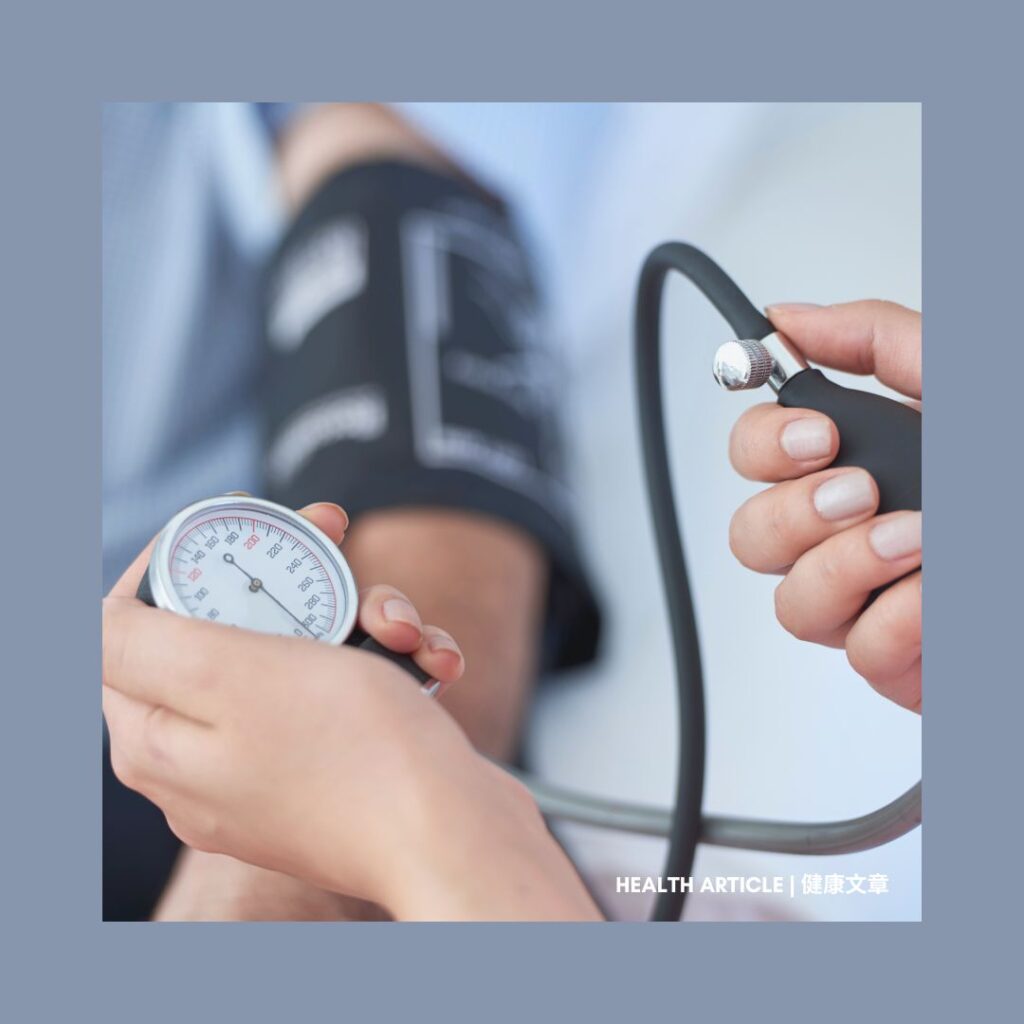
高血壓是心臟病的主要危險因素。

當血液在動脈和血管中的壓力長期過高時,就會形成健康問題。若未妥善控制,過高的血壓會損害心臟,以及腎臟、大腦等重要器官的功能。高血壓常被稱為「無聲的殺手」,因為它通常沒有明顯症狀。要知道自己是否有高血壓,唯一的方法就是測量血壓。通過調整生活方式或服用藥物,可以有效降低血壓,減少患心臟病和心肌梗塞的風險。

高膽固醇

不健康的血液膽固醇水平。膽固醇是一種由肝臟製造或存在於某些食物中的蠟狀、類似脂肪的物質。肝臟本身會製造足夠的膽固醇供身體所需,可我們經常從飲食中攝取過多膽固醇。

血液中的膽固醇主要分為兩類:

  1. 壞膽固醇稱為低密度膽固醇 – 壞膽固醇會在血管中形成斑塊堆積,導致血管狹窄。
  2. 好膽固醇稱為高密度膽固醇 – 較高的好膽固醇能幫助把多餘的膽固醇帶回肝臟分解,減少血管阻塞的風險。

如果我們攝取的膽固醇超過身體所需,多餘的膽固醇就會堆積在血管壁上,包括心臟的動脈內壁。這會造成血管狹窄,導致流向心臟、大腦、腎臟及身體其他部位的血流減少。 高膽固醇通常沒有明顯症狀,要確定是否有高膽固醇,唯一的方法就是定期進行檢查。

糖尿病

身體需要葡萄糖(糖)作為能量來源。胰島素是由胰臟分泌的荷爾蒙,能將食物中的葡萄糖運送到身體細胞內,轉換成能量。

如果患有糖尿病,表示身體無法製造足夠的胰島素、或無法正常利用胰島素,也可能同時出現這兩種情況。糖尿病會導致血液中的糖分累積。與沒有糖尿病的成年人相比,糖尿病患者死於心臟疾病的風險更高。

不健康的生活習慣會增加心臟病風險,如飲食油膩、攝取過多鹽和糖、缺乏運動、吸菸、過量飲酒。它們都會導致血壓、血脂和血糖升高,損害血管與心臟健康。

文源:cdc.gov
Photo from: freepik

Share:

More Posts

Share:

More Posts

Charles B. Wang Community Health Center Joins CAIPA to Strengthen Patient-Centered Care

Charles B. Wang Community Health Center (CBWCHC) joins CAIPA in a strategic partnership to strengthen patient-centered care, improve care coordination, and expand access to preventive and specialty healthcare services. Together, both organizations aim to advance health equity and deliver culturally and linguistically appropriate care to Asian American and immigrant communities across New York.

Medical Office for Rent – Brooklyn

Medical office for rent in Brooklyn: a full 1,875 sq. ft. second floor at 761 55th Street, currently a GI specialist’s office and suitable for any medical practice. Hospital-sized elevator access.
Dec, Quit Smoking & Get Screened

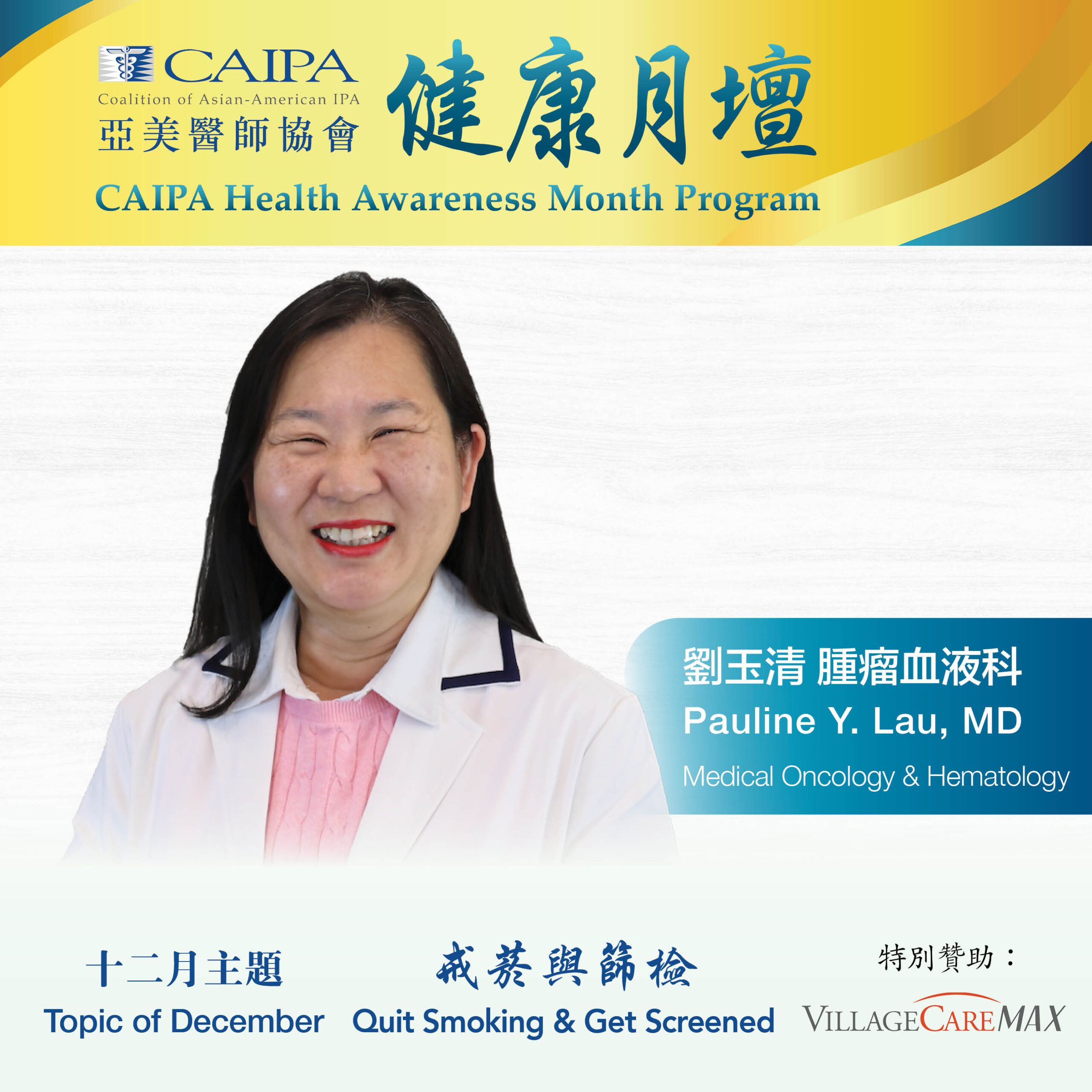
十年前,美洲中華醫學會的醫生團體在整理患者數據時發現亞裔,尤其是亞裔男性,佔肺癌患者一半以上。因此,決定組織一些活動從源頭著手,讓更多人知道吸菸危害,並鼓勵吸菸者踏出戒菸第一步,於是「北美華埠戒菸日」也由此設立並持續推行。

Now Hiring: Medical Assistants

Medical Assistants are an integral part of delivering kind and compassionate care and optimizing the patient experience. They direct patient flow in and out of exam rooms and provide support to providers by assisting in medical procedures and examinations.
Hello
CAIPA member CAIPA member CAIPA member

Quick Links